Gion's Temples, Shrines & Landmarks
Kyoto's Gion district, famous for its geisha culture and traditional wooden machiya houses, holds more than just elegant tea houses and exclusive dining. It’s a place deeply rooted in spiritual history, where ancient temples and a vibrant gion shrine stand as quiet witnesses to centuries of tradition. Walking through its narrow lanes, you quickly realize that spirituality is woven into the very fabric of this beautiful area. This guide will take you through the most significant spiritual sites within and immediately around Gion, from the grand main shrine that anchors the district to the serene, less-visited temple in Gion Kyoto. We’ll cover the iconic Yasaka Pagoda, often seen as a symbol of Kyoto itself, and some of the smaller, hidden gems you might otherwise overlook. Get ready to explore a different side of Gion, one filled with tranquility and ancient stories.Book your gion district experience:
Yasaka Shrine: Gion's Spiritual Heartbeat
You can’t talk about spiritual sites in Gion without starting at Yasaka Shrine, or Gion Shrine as many locals call it. It sits right at the eastern end of Shijo Dori, marking a clear boundary for the district. This place is seriously old, tracing its roots back over 1,300 years. The vibrant vermillion gates and buildings practically glow, especially on a sunny day. It’s a Shinto shrine, dedicated to Susanoo-no-Mikoto, the god of storms and seas, and his wife and children. The main hall, called Honden, combines the main sanctuary and an oratory into one structure, which is pretty unique for Shinto architecture. You’ll see it has this distinctive Gion-zukuri style. It was rebuilt many times over the centuries, with the current structure dating back to 1666. Honestly, it feels like stepping into another world, especially early in the morning before the crowds descend. I think it is the best time to visit if you want to soak in the atmosphere. The grounds are always open, which is nice.Pro tip: Head to Yasaka Shrine around sunset. The hundreds of lanterns hanging around the dance stage (Maiden) light up, creating a truly magical scene. It’s less crowded than during the day and offers fantastic photo opportunities.
Yasaka Pagoda: An Icon Standing Tall
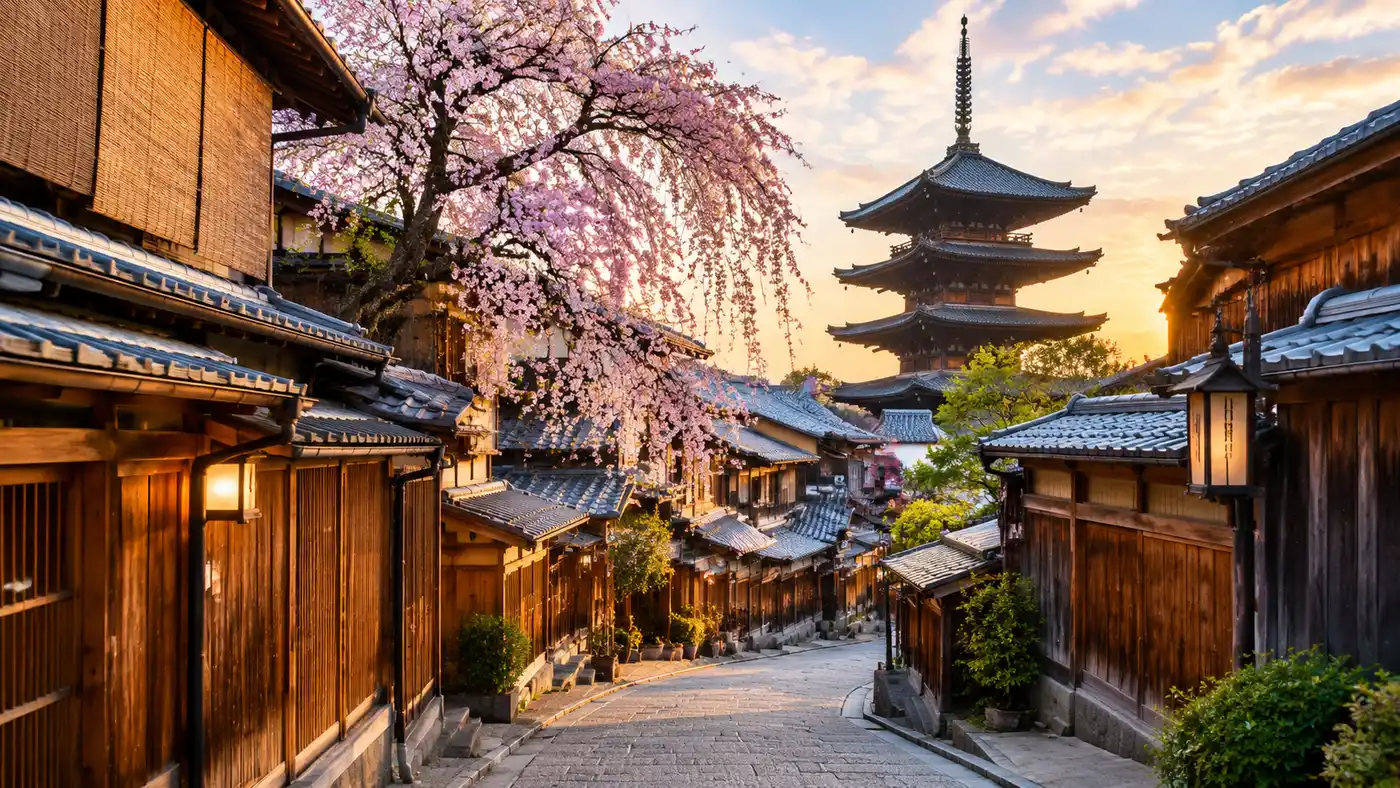
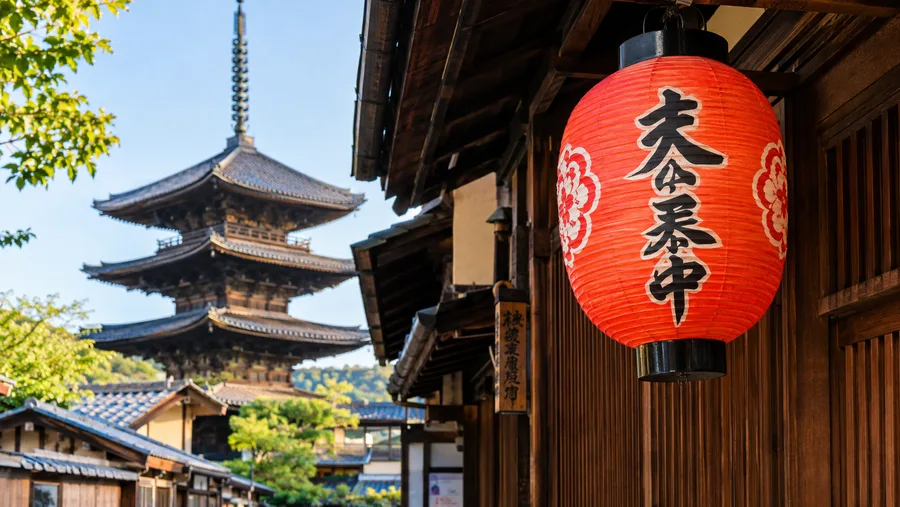
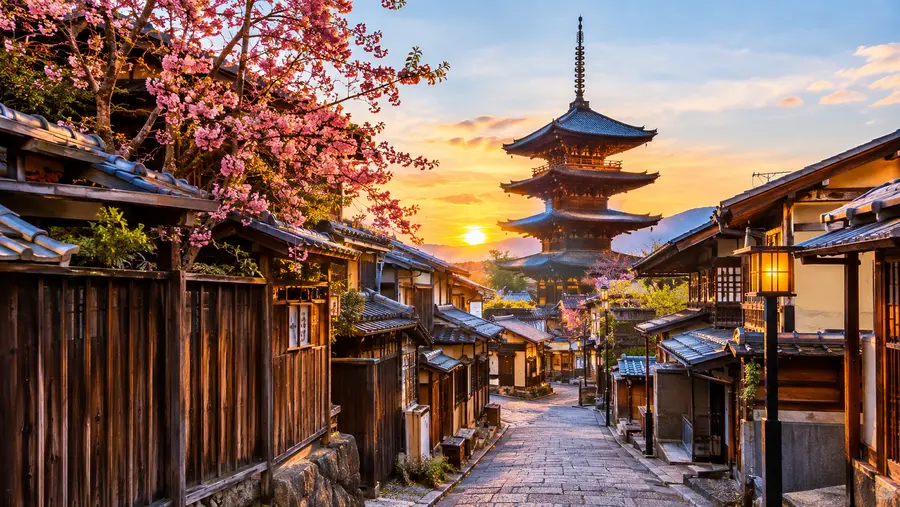
When you picture Kyoto, there’s a good chance an image of the Yasaka Pagoda pops into your head. It’s officially part of Hokan-ji Temple, though most people just refer to it by its more picturesque name. This five-story pagoda is probably the most recognizable landmark in the Higashiyama district, just a short, scenic walk from the main Gion district. It’s also one of the last remaining pagodas from Kyoto’s original ancient city. The current structure was actually rebuilt in 1440 by Shogun Ashikaga Yoshinori, after a fire. It stands 46 meters tall, really dominating the skyline from many viewpoints. You can spot it peeking out between traditional wooden houses as you wander up Sannenzaka and Ninenzaka. The walk from the heart of Gion to the Yasaka Pagoda to Gion district’s edge usually takes about 15 minutes, depending on how many times you stop for photos or to browse the shops.Note: While you can see the pagoda from outside, the interior of Yasaka Pagoda (Hokan-ji Temple) is only open to the public on specific, unpredictable days throughout the year. If you find it open, entrance is usually around 500 yen, but don't count on it.
Kiyomizu-dera Temple and the Pilgrimage Path
Okay, so Kiyomizu-dera Temple isn’t technically in Gion, but it’s so close and so integral to the Gion experience for most visitors that it feels wrong not to include it. The journey there from Gion is half the fun, a sort of pilgrimage in itself. You typically walk through the charming, sloping lanes of Sannenzaka and Ninenzaka, lined with traditional shops selling everything from pottery to matcha sweets. It’s quite the experience, especially if you go early in the morning before the tour buses arrive. Kiyomizu-dera means "Pure Water Temple," and it’s one of Japan’s most celebrated temples. It was founded in 778, though most of its present buildings were constructed in the early 17th century. The main hall, built without a single nail, extends out over the hillside on massive wooden pillars, offering incredible views of Kyoto. Honestly, the view from that wooden stage is breathtaking, especially during cherry blossom season or autumn foliage. The temple complex is huge, with several other shrines and halls. There’s the Jishu Shrine, dedicated to the god of love and matchmaking, where you can try walking between two "love stones" with your eyes closed for good luck. Then there’s the Otowa Waterfall, where you can drink from three separate streams, each said to offer a different benefit: longevity, success at school, and a fortunate love life. Don’t get greedy, pick only one or maybe two. The entire area leading up to this famous temple in Gion Kyoto feels like a step back in time. You can learn more about navigating the area in our guide on Hanamikoji Street & Shirakawa Area Guide, which covers nearby walking paths.Book your gion district experience:
Kennin-ji Temple: Gion's Zen Oasis
Right in the heart of Gion, just a short walk from Hanamikoji Street, you'll find Kennin-ji Temple. This isn't just any Gion temple; it holds a special place in Japanese history as Kyoto's oldest Zen temple, founded in 1202. It's one of the five great Zen temples of Kyoto, though it feels incredibly understated from the outside. You might even walk past its unassuming entrance if you're not paying attention. Once you step inside, the atmosphere completely shifts. It’s a quiet, contemplative space, a real escape from the busy streets outside. The temple grounds are beautiful, with meticulously raked Zen gardens, a pond garden, and several traditional buildings connected by wooden corridors. The Hojo, or main hall, houses some incredible sliding door paintings (fusuma-e), including the famous "Wind and Thunder Gods" by Tawaraya Sotatsu. There’s a replica on display, with the originals at the Kyoto National Museum. The highlight for many, myself included, is the twin dragons painting on the ceiling of the Dharma Hall (Hatto). It’s enormous, painted by Koizumi Junsaku in 2002 to commemorate the temple's 800th anniversary. You lie on your back on cushions and just stare up at it. It's truly impressive, a powerful piece of art. I think it’s worth the 600 yen admission fee just for that. It's a fantastic spot to experience a tranquil Gion temple.Pro tip: Look for the small tea house within Kennin-ji's grounds. It offers a quiet spot to enjoy a cup of matcha while overlooking one of the temple's serene gardens. It's a perfect moment of calm.
Lesser-Known Gems and Practical Tips
Beyond the big names, Gion and its immediate surroundings hide a few smaller, quieter spiritual spots. For example, Rokuharamitsu-ji Temple, a short walk south of Kennin-ji, is another ancient temple with a fascinating history, founded by the monk Kuya in the 10th century. It houses some important national treasures, including a wooden statue of Kuya himself. It’s a bit off the main tourist track, offering a more local experience. Another interesting spot is Eikan-do Zenrin-ji Temple, though it’s a bit further north, almost bordering the Philosopher's Path. It’s famous for its autumn foliage and its unique "Mikaeri Amida" statue, which depicts Amida Buddha looking over his shoulder. It’s a beautiful complex with multiple halls and gardens, worth the slightly longer walk or a short bus ride. When visiting any Gion district shrine or temple, remember some basic etiquette. You should remove your shoes before entering many temple buildings. Keep your voice down. Photography is often allowed in the gardens but sometimes prohibited inside the halls. Look for signs. Also, always try to carry some small change, as many smaller shrines or donation boxes will accept 100 or 500 yen coins.- Best time to visit: Early mornings, between 7:30 AM and 9:00 AM, are usually the most peaceful for all sites.
- Footwear: Wear slip-on shoes. You'll be taking them off frequently inside temple buildings.
- Photography: Always check for "no photography" signs, especially inside temple halls.
- Donations: Many smaller shrines rely on donations. A small offering is always appreciated.
| Site | Opening Hours | Entrance Fee (approx.) | Notes |
|---|---|---|---|
| Yasaka Shrine | Always open | Free | Main hall open for worship during day |
| Yasaka Pagoda (Hokan-ji) | Irregular days | 500 yen | Interior rarely open to public |
| Kiyomizu-dera Temple | 6:00 AM - 6:00 PM | 400 yen | Iconic wooden stage, waterfall |
| Kennin-ji Temple | 10:00 AM - 5:00 PM | 600 yen | Kyoto's oldest Zen temple |
Frequently Asked Questions about gion shrine
Is Yasaka Shrine the only major gion shrine?
Yasaka Shrine is definitely the largest and most prominent Shinto shrine directly within Gion, and it's often referred to simply as the Gion Shrine. There are smaller, local shrines scattered throughout the district, but Yasaka Shrine is the main one for visitors.
Can I visit a temple in Gion Kyoto for free?
Yes, the grounds of many temples and shrines, including Yasaka Shrine, are free to enter. However, some main temple buildings or specific halls within complexes like Kennin-ji or Kiyomizu-dera do charge an admission fee to help with maintenance.
What is the best way to get from Yasaka Pagoda to Gion district?
The best way to get from Yasaka Pagoda to Gion district is on foot. It’s a pleasant downhill walk, around 15 minutes, through the charming streets of Ninenzaka and Sannenzaka, leading directly into the heart of Gion near Yasaka Shrine.
Quick Reference
- Yasaka Shrine is open 24/7.
- Yasaka Pagoda interior rarely open.
- Kennin-ji Temple is Kyoto's oldest Zen temple.
- Kiyomizu-dera is a short walk from Gion.
Book your gion district experience:
Exploring Gion's Spiritual Side
Exploring the temples and shrines of Gion offers a different perspective on this famed district. It’s a chance to slow down, reflect, and connect with the deeper history of Kyoto. From the bustling energy of Yasaka Shrine to the serene gardens of Kennin-ji, these spiritual sites are an essential part of the Gion experience. So, next time you're planning a trip, make sure to set aside some time to explore these beautiful, ancient places.Read more about gion district.