Gion Geisha District: Where to See Geisha in Kyoto
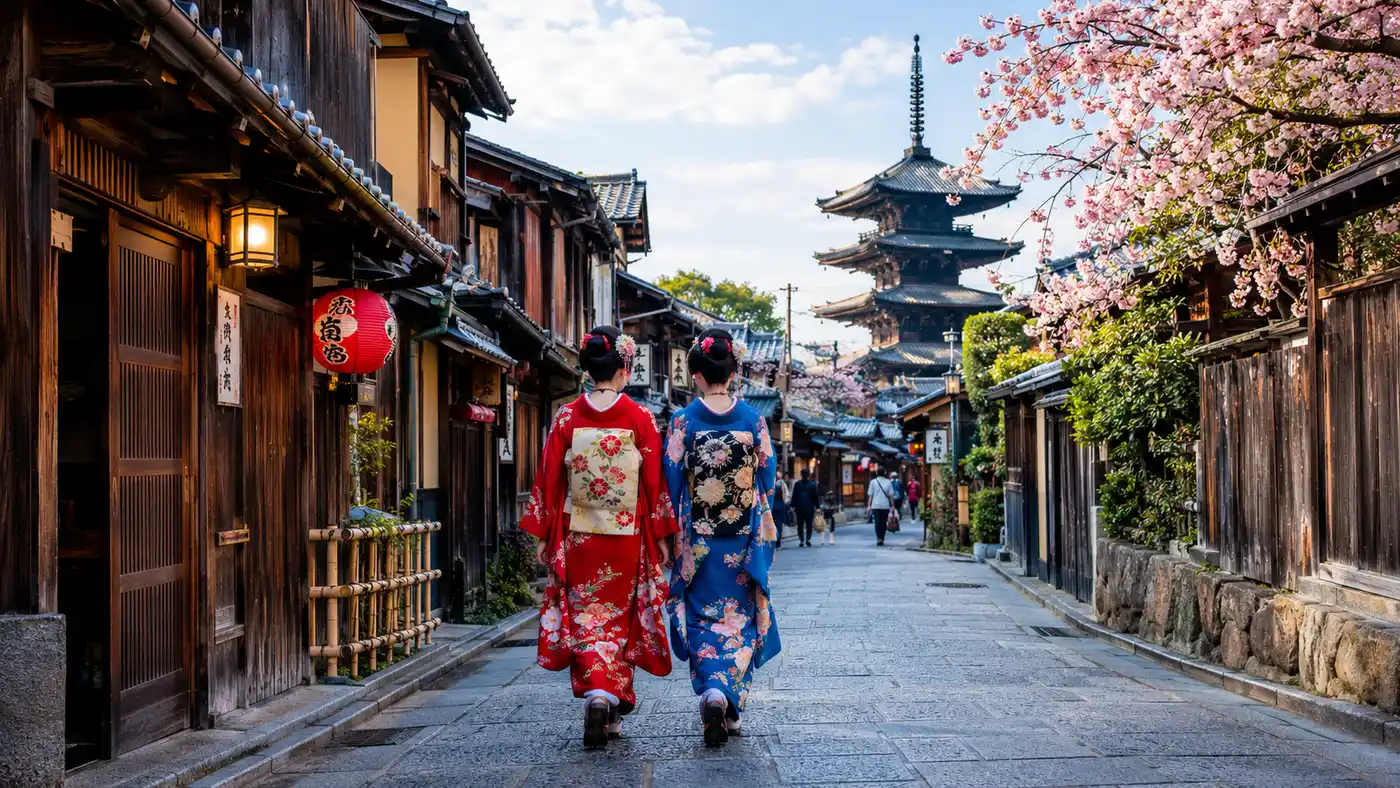
Stepping into Kyoto’s Gion Geisha District feels like traveling back in time, honestly. The narrow lanes, the old wooden machiya houses, the soft glow of paper lanterns – it's all part of the allure. Many visitors come to this historic area with one main goal: catching a glimpse of a real geisha, or geiko as they're called here in Kyoto, or perhaps a maiko, an apprentice. It’s a dream for a lot of people. This guide will walk you through the realities of finding these elusive artists, sharing the best spots and times, and just as importantly, how to do it respectfully. We’ll cover everything from casual sightings on the street to more formal, booked experiences, ensuring you have the best chance to witness this unique cultural tradition.Book your gion district experience:
Understanding the Geiko and Maiko of Kyoto's Geisha District
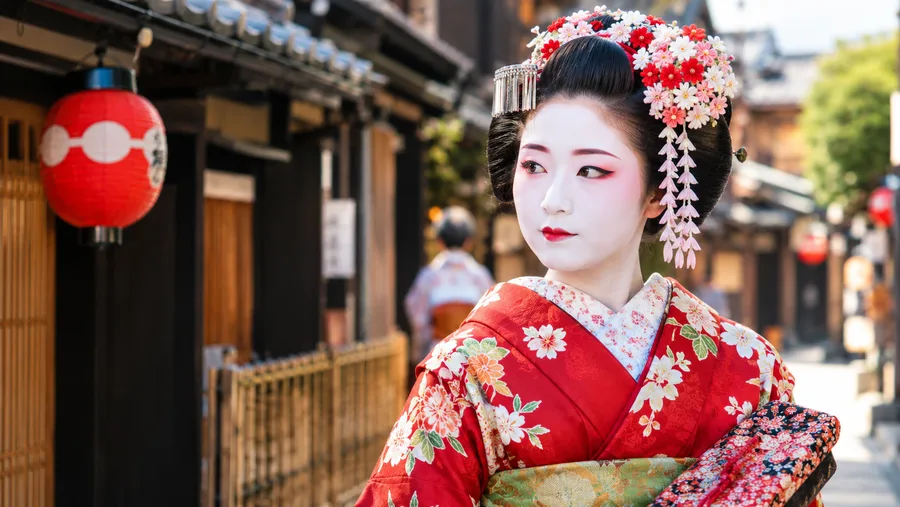
First off, let’s clear up some common misunderstandings about the Gion Geisha District. This isn’t a "red light district" in the Western sense, not at all. Geiko and maiko are highly trained performing artists. Their skills include traditional dance, music, singing, and conversation. They entertain at exclusive tea houses and private parties, called ochaya, for a select clientele. It’s a world of immense cultural significance, steeped in tradition and strict rules. The term "geisha" is used more broadly, but in Kyoto, you’ll hear "geiko" for the fully fledged artists and "maiko" for those still in training. Maiko are often easier to spot due to their more elaborate hairstyles, longer kimono sleeves, and vibrant accessories. They are young women dedicated to preserving ancient Japanese performing arts.Note: Gion has specific rules for tourists, especially on private streets like those around Hanamikoji Dori. Photography without permission is strictly prohibited in these areas. Respecting these rules is crucial for the preservation of this unique culture.
Prime Spots for Geiko and Maiko Sightings in Gion
If you’re hoping for a chance encounter, timing is everything. Geiko and maiko are often heading to or from their appointments, usually in the late afternoon or early evening. This is when the magic really happens, when the streets start to quiet down just a bit and the lanterns flicker on.- Hanamikoji Dori: This is probably the most famous street in Gion, known for its traditional wooden facades and exclusive tea houses. It’s a prime spot, especially the section between Shijo Avenue and Kennin-ji Temple. Many geiko and maiko will hurry along this stretch as they move between engagements.
- Shirakawa Area: A little more serene, the Shirakawa Canal area is incredibly picturesque. With its willow trees and stone bridges, it’s beautiful at any time, but especially enchanting at dusk. You might see a geiko crossing a bridge or stepping out of a tea house along the canal. It feels very cinematic.
- Pontocho Alley: While technically a bit outside the main Gion district, Pontocho is another historic geisha district and it runs parallel to the Kamo River. This narrow, atmospheric alley is packed with restaurants and bars. Geiko and maiko might use it to get to their engagements, particularly the northern end.
Organized Experiences to See Geisha in Kyoto
While street sightings are exciting, they are never guaranteed. For a more certain encounter, or to learn more about the art forms, there are structured ways to experience the geiko culture. These options range from cultural performances to exclusive private dinners. Many visitors to this historic area find that a dedicated tour or show offers deeper insight into the traditions of the gion geisha district.Gion Corner Cultural Performance
This is the most accessible and affordable option for many tourists. Gion Corner, located in the Gion district, offers a one-hour cultural show called "Kyoto Traditional Arts Performance." It showcases several traditional Japanese art forms, including a performance by a maiko. You’ll see tea ceremony, flower arrangement, court music, and a kyogen play, alongside the maiko dance.Pro tip: Book your Gion Corner tickets online in advance, especially during peak season. Shows can sell out, and it saves you time waiting in line. They have a few shows each evening.
Private Dinners and Tea House Experiences
This is the most authentic, and certainly the most expensive, way to interact with a geiko or maiko. These experiences typically involve a private dinner at an ochaya (tea house) or a traditional restaurant, where a geiko or maiko will entertain your group with dance, music, and conversation. Access to these experiences is usually through a referral or via high-end travel agencies and luxury hotels. It’s a significant investment, often costing hundreds, if not thousands, of dollars. But it provides an intimate, unforgettable experience. If you’re interested in exploring evening activities further, you might find more details in articles like Gion at Night: Tours, Activities & Evening Strolls.Gion Walking Tours
Many tour companies offer guided walking tours through Gion, often focusing on the history of the district and the geisha culture. While these tours don't guarantee a geisha sighting, a knowledgeable guide can take you to the best areas at the optimal times and share insights you wouldn't get on your own. Some tours even include a visit to a tea house, though usually without a geisha performance.| Experience Type | Likelihood of Sighting/Interaction | Approximate Cost (USD) | Typical Duration |
|---|---|---|---|
| Street Sightings | Low to Moderate (uncontrolled) | Free | Variable |
| Gion Corner Show | Guaranteed Maiko Performance (observational) | ~$30 - $40 | 1 hour |
| Gion Walking Tour | Moderate (with guide, observational) | ~$45 - $80 | 1.5 - 2.5 hours |
| Private Dinner/Ochaya | Guaranteed Geiko/Maiko Interaction | ~$500 - $2000+ | 2 - 3 hours |
Book your gion district experience:
Etiquette and Respectful Behavior in the Kyoto Geisha District
This is probably the most important part of your visit to the Gion Geisha District. The geiko and maiko are not tourist attractions to be harassed. They are working professionals. Kyoto, understandably, has become sensitive to over-tourism and disrespectful behavior. Here are some key points to remember:- No Chasing or Blocking: Do not chase a geiko or maiko down the street, block their path, or follow them into private alleys. This is incredibly rude and disruptive to their work.
- Ask Before Photographing: Never take photos of a geiko or maiko without their explicit permission. If you are lucky enough to encounter one and wish to take a photo, a polite bow and a respectful request (perhaps "Shashin ii desu ka?" - "May I take a photo?") is the only way. Be prepared for a polite refusal.
- Stay on Public Roads: Some of the smaller, private alleys in Gion are off-limits to tourists. Pay attention to signage. Ignoring these rules can lead to fines. You can read more about specific regulations in Gion District Tourist Bans & Visiting Hours.
- Be Quiet and Observant: Gion is a living, working neighborhood. Keep your voice down, especially in the evening. Observe from a respectful distance.
- Do Not Touch: This should go without saying, but never attempt to touch a geiko or maiko, or their kimono or accessories.
Beyond Geiko Sightings: Exploring More of Gion
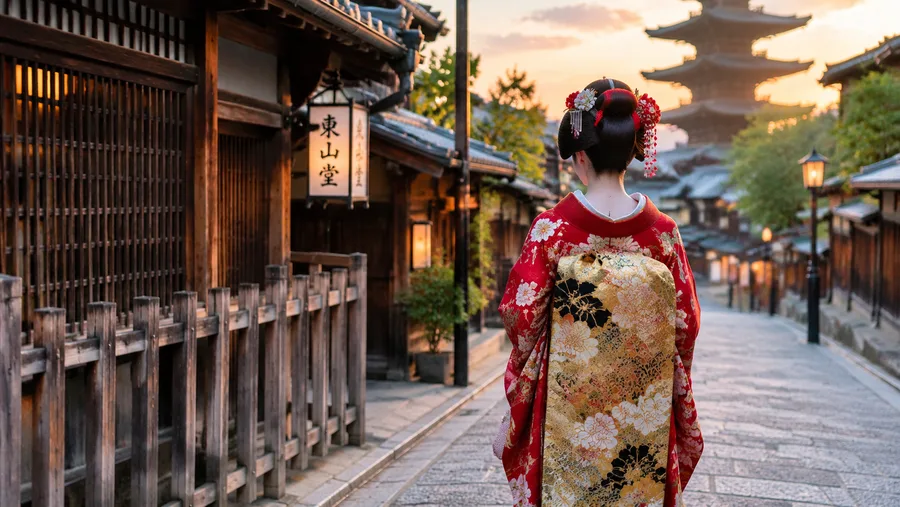
Even if you don't spot a single geiko or maiko, Gion is still a fantastic place to spend time. It’s rich with history, beautiful architecture, and plenty of other things to see and do. The atmosphere alone is worth the visit. You can wander through the Shirakawa area, admiring the canal and its quaint bridges. Kennin-ji Temple, one of Kyoto's oldest Zen temples, offers a peaceful escape with stunning gardens and impressive artwork. It’s just south of Hanamikoji Dori. There are also countless shops selling traditional Japanese crafts, sweets, and souvenirs. For a deeper dive into the district's offerings, check out Top Things to Do in Gion District Kyoto. And if you get hungry, Gion has some truly incredible dining options, from casual ramen spots to Michelin-starred kaiseki restaurants.Frequently Asked Questions about gion geisha district
Is Gion a red light district?
No, Gion is not a red light district. It is a historic entertainment district where geiko (geisha) and maiko (apprentice geisha) perform traditional Japanese arts for private clients.
What is the best time to see geisha in Kyoto?
The best time for street sightings is typically between 5:30 PM and 7:30 PM, when geiko and maiko are traveling to or from their evening appointments.
Can I take photos of geisha in Gion?
You should never take photos of geiko or maiko without their explicit permission. In some private alleys in Gion, photography is completely prohibited.
Quick Reference
- Primary purpose: Traditional entertainment district
- Best sighting times: 5:30 PM - 7:30 PM
- Key areas: Hanamikoji Dori, Shirakawa
- Etiquette: Respect privacy, no unauthorized photos
- Accessible show: Gion Corner
Book your gion district experience:
My Take on Gion
Visiting Gion, whether you spot a geiko or not, is an experience that stays with you. It’s a place where ancient traditions are still very much alive, quietly coexisting with the modern world. Go with an open mind, a sense of wonder, and most importantly, respect. Take your time wandering the streets, maybe grab a cup of green tea in a traditional cafe, and just soak in the atmosphere. You might just find that the true magic of the gion geisha district lies not just in seeing a geiko, but in the feeling of stepping into a different era altogether.Read more about gion district.