Top Things to Do in Gion District Kyoto
Stepping into Kyoto's Gion district feels like peeling back centuries of history. This isn't just a place to visit; it’s an immersive experience, a living postcard from a bygone era. If you are wondering about the best things to do in Gion district, you are in for a treat. From ancient temples to bustling streets where geiko (Kyoto's geisha) might still dart between teahouses, Gion offers a unique blend of cultural immersion and quiet beauty. Exploring Gion is a must for any visitor to Kyoto, whether you are here for a quick day trip or a longer stay. This article will guide you through the iconic sights, hidden gems, and unforgettable experiences that make Gion truly special. We will delve into everything from traditional arts and crafts to the serene beauty of its gardens, helping you plan an authentic journey through this captivating quarter.Book your gion district experience:
Strolling Through Hanamikoji Dori and Shirakawa
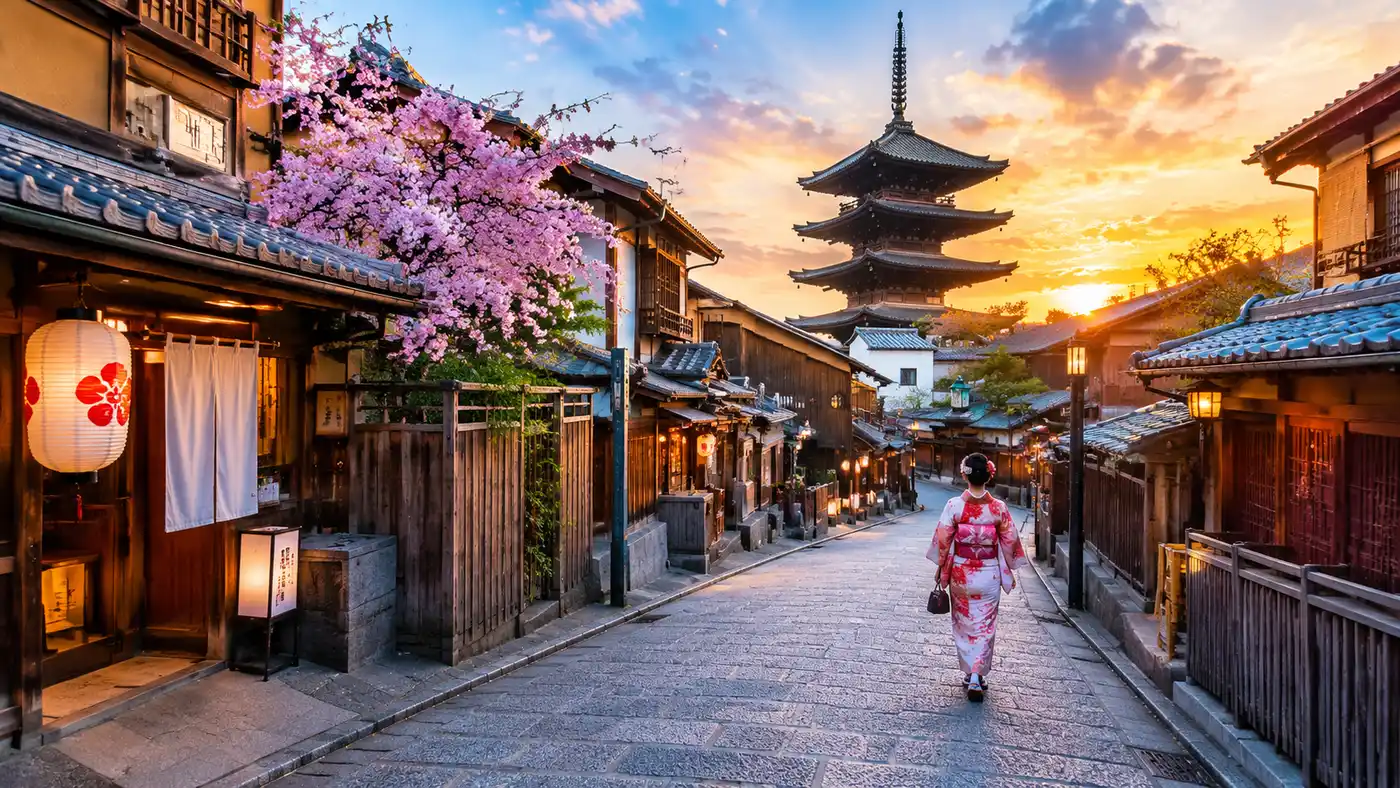
Honestly, the best way to start your exploration of Gion is simply by walking. Hanamikoji Dori is the most famous street, a narrow lane lined with traditional wooden machiya houses, many of which are exclusive teahouses and restaurants. Early morning is ideal, before the crowds swell, when the light is soft and the air feels crisp. You might even catch a glimpse of a geiko or maiko (apprentice geiko) heading to an appointment, their kimonos rustling softly. They move with such grace, it is almost like watching a performance unfold right there on the street. The street itself is quite short, maybe 300 meters, but every step offers something to admire. Look closely at the intricate latticework on the buildings, the small, perfectly maintained gardens tucked behind sliding doors. Even though it is a main tourist artery, there is still a palpable sense of history here. Just remember, these are private establishments; respect the privacy of the people who live and work here. For more depth on this area, you might want to check out our Hanamikoji Street & Shirakawa Area Guide.Pro tip: Head south from Shijo Dori on Hanamikoji for the most traditional architecture. The northern part is more modern, with bars and shops, but the southern section truly transports you.
Experiencing a Traditional Gion District Tea Ceremony
Participating in a traditional tea ceremony, known as chanoyu, is one of the most quintessential Gion tourist attractions. It is not just about drinking tea; it is a profound cultural ritual, a meditative art form focused on harmony, respect, purity, and tranquility. There are several places in Gion where you can experience this, ranging from formal, hour-long ceremonies to shorter, more accessible introductions. We opted for a small place down a side alley, near Kodai-ji Temple, that offered a 45-minute session for about 4,500 yen per person. Our host, a woman in a beautiful kimono, explained each step with such patience. She showed us how the matcha green tea is prepared, whisked to a frothy perfection, and how to properly hold the bowl. It was a really calming experience, surprisingly so, given the bustling world outside. You also usually get a wagashi, a small, exquisite Japanese sweet, to balance the slight bitterness of the matcha.Note: Many tea ceremony venues require advance booking, especially for English-guided sessions. Check their websites or ask your hotel concierge for assistance a few days before you plan to go.
Gion District Shopping and Souvenirs
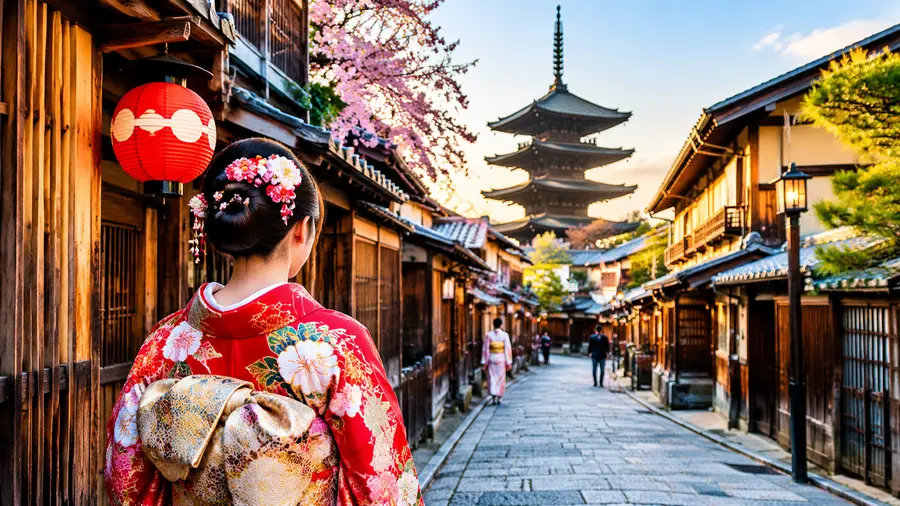
Gion district shopping offers a fantastic array of traditional Japanese goods, perfect for souvenirs or just admiring local craftsmanship. You will find everything from delicate fans to exquisite ceramics, many handmade by local artisans. The main shopping streets are around Shijo Dori, but the smaller alleys off Hanamikoji also hide some real treasures. I spent a good hour just browsing in a shop specializing in traditional Japanese paper products. They had these incredible notebooks and little boxes, all with intricate designs. There are also many places selling matcha related items, from high-quality tea leaves to adorable tea whisks. Kyoto is famous for its pickled vegetables too, so keep an eye out for shops selling tsukemono; they make a unique, if sometimes acquired, gift. Here are a few things to look for:- Fans: Hand-painted fans (sensu) are beautiful and practical, ranging from inexpensive to genuine works of art.
- Ceramics: Kiyomizu-yaki pottery is a Kyoto specialty, known for its intricate designs and vibrant colors.
- Sweets: Yatsuhashi (cinnamon-flavored mochi) and various wagashi are delicious and come in lovely packaging.
- Incense: Traditional Japanese incense, often with subtle, natural scents, can be found in specialized shops.
- Textiles: Look for small pouches, scarves, or handkerchiefs made with traditional Japanese fabrics.
Book your gion district experience:
Discovering Gion's Temples and Shrines
Beyond its geiko and traditional teahouses, Gion is also home to several significant temples and shrines, offering moments of peace and spiritual reflection. Yasaka Shrine, often called Gion Shrine, is perhaps the most prominent. It sits at the eastern end of Shijo Dori, its vibrant vermilion gates marking a grand entrance. It is particularly lively in the evening when its lanterns are lit, creating a magical atmosphere. This shrine hosts the famous Gion Matsuri every July, a huge festival that draws crowds from all over. Just a short walk from Hanamikoji, you will find Kennin-ji Temple, one of Kyoto's oldest Zen temples. It is surprisingly quiet inside, a real sanctuary. The temple grounds are beautiful, with meticulously raked Zen gardens and impressive artworks, including a stunning twin dragons ceiling painting in the Hatto (Dharma Hall). I remember sitting on the wooden veranda, looking out at the garden, and feeling a profound sense of calm. It was built in 1202, making it incredibly historic. Another must-see is Kodai-ji Temple, located a bit further up the hill, past the charming Nene-no-Michi path. This temple was established in 1606 in memory of Toyotomi Hideyoshi, one of Japan's great unifiers, by his wife Nene. The gardens here are spectacular, especially during autumn foliage or spring cherry blossoms, and they often have evening illuminations that are just breathtaking. The bamboo grove behind the temple offers a quieter, more intimate experience than the famous Arashiyama grove. These Gion attractions provide a wonderful contrast to the commercial bustle, offering a deeper look into Kyoto's spiritual heritage.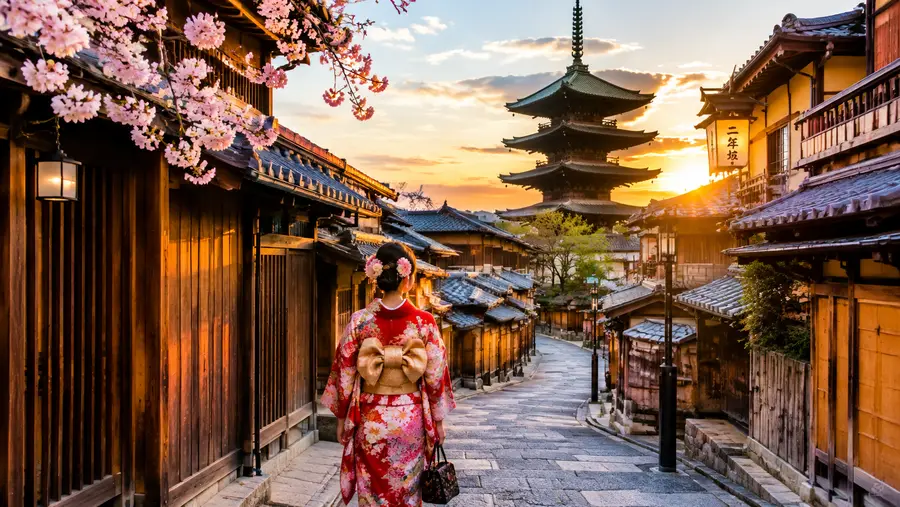
Donning a Kimono and Exploring Gion
For a truly immersive experience, consider a Gion district kimono rental. Many shops around Gion offer kimono rentals for both men and women, allowing you to dress up in traditional Japanese attire and explore the district feeling like you have stepped back in time. It is a fantastic way to get into the spirit of Kyoto and makes for some truly memorable photographs. My friend and I decided to try it, and honestly, it was one of the highlights of our trip. The staff at the rental shop were incredibly helpful, choosing the right sizes and patterns for us. The process usually takes about 40 minutes, including choosing your kimono, obi (sash), and accessories, then having it expertly fitted. They even do your hair if you want. Once you are dressed, walking through the old streets of Gion feels completely different. People smile at you, and you feel a connection to the history of the place. We walked around Yasaka Shrine and through the Shirakawa area, stopping for countless photos. It is a very popular activity, so you will see many other people doing the same. Here is a general idea of what you might expect for kimono rental options:| Package Type | Approximate Price (JPY) | Duration | Includes |
|---|---|---|---|
| Standard Kimono | 3,500 - 5,000 | Full day (until 6 PM) | Kimono, obi, sandals, bag |
| Premium Kimono | 6,000 - 8,500 | Full day (until 6 PM) | Higher quality kimono, obi, sandals, bag, basic hair styling |
| Men's Kimono | 4,000 - 6,000 | Full day (until 6 PM) | Kimono, obi, sandals, bag |
| Hair Styling Add-on | 1,500 - 2,500 | N/A | Professional hair styling with accessories |
Frequently Asked Questions about things to do in gion district
Can I see a geisha in Gion?
Spotting a geisha (or geiko in Kyoto dialect) or maiko (apprentice) requires luck and patience. They are often seen in the early evening, around 5 PM to 7 PM, heading to appointments in areas like Hanamikoji Dori or Shirakawa. Remember to be respectful and avoid chasing or photographing them without permission.
What is the best time of day to visit Gion?
Early morning (before 9 AM) offers quiet streets and beautiful light for photography. Late afternoon and early evening (4 PM - 7 PM) are popular for spotting geiko and experiencing the illuminated streets, but it gets very crowded. Each time of day offers a different ambiance.
Is Gion expensive to visit?
Gion can be as expensive or as affordable as you make it. Strolling the streets and visiting shrines like Yasaka Shrine is free. Tea ceremonies or high-end dining can be costly, but there are also many casual eateries and shops with reasonable prices. Kimono rental is a mid-range expense, maybe around 4,800 yen.
Quick Reference
- Best time for geisha spotting: Early evening
- Main street: Hanamikoji Dori
- Famous shrine: Yasaka Shrine
- Average tea ceremony cost: 4,500 JPY
- Kimono rental duration: Full day
Book your gion district experience:
My Take
Gion is more than just a famous neighborhood; it is an experience that stays with you long after you leave. The blend of ancient traditions, stunning architecture, and the occasional fleeting glimpse of a geiko makes it utterly unique. Take your time, wander the side streets, and let the atmosphere wash over you. Don't rush through it. Whether you are seeking spiritual tranquility, cultural immersion, or just a beautiful place for an evening stroll, Gion has something to offer. It is a truly special corner of Kyoto, and I think everyone should make the effort to explore its timeless charm.Read more about gion district.